Hang on Graphics for Print Templates and Handmade Crafts
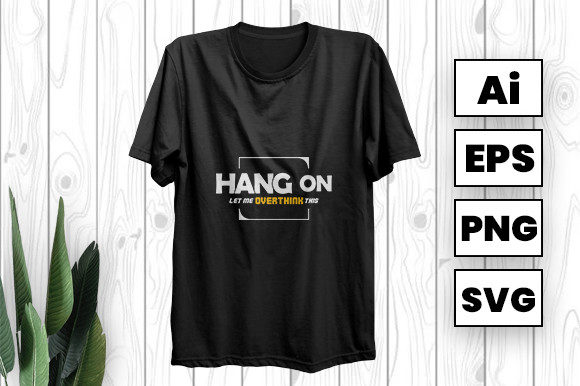
I recently stumbled upon a digital asset titled Hang on while browsing the marketplace, and as someone who spends hours every week designing products for my Etsy shop and prepping for local craft fairs, I had to see if it would fit into my current workflow. The product description promises a "New Funny T-shirt Design" with high quality that can be used everywhere, but in my experience, the devil is always in the details. Before I add this to my design bundle or use it for a customer order, I need to know if it truly delivers on the promise of being a versatile graphic design asset for real crafting scenarios.
My first impression of Hang on is one of playful energy. It feels like the kind of design that screams "cozy vibes" mixed with a touch of modern wit. For a handmade business owner looking to create seasonal collections, this asset suggests a style that is approachable, bold, and slightly humorous. It isn't overly elegant or strictly rustic; instead, it lands squarely in the category of trendy digital clip art that appeals to a younger demographic or anyone who appreciates a bit of personality in their gear. If you are selling t-shirts, mugs, or tote bags, this design could attract buyers who want something that stands out without being too serious.
Real-World Applications for Cricut and Silhouette Projects
When I imagine using Hang on in my studio, I immediately think about the versatility required for a successful small business branding strategy. This graphic design asset is not just a static image; it is a functional tool for various Cricut projects and Silhouette projects. Because it is described as having high-quality lines, it should translate beautifully when cut from vinyl for tumbler wraps or laptop decals. I often find that designs labeled as "trendy" work best when they are clean enough to be cut quickly but detailed enough to look premium on a finished product.
In my recent batch of custom orders, I have been focusing on gift tags and party decorations for upcoming holidays. Hang on could serve as the perfect decorative accent for these items. Imagine placing this illustration on a set of printable wall art for a nursery or turning it into a sticker design for planners. The potential for a sublimation design on mugs or tumblers is also strong here. If the resolution is sharp, it will print clearly on dark and light backgrounds alike, which is crucial for any designer working with print-on-demand services or direct-to-consumer sales.
For those of us creating digital products, this asset fits perfectly into a design bundle aimed at creative entrepreneurs. You could pair the main illustration with complementary fonts to create a cohesive set of greeting cards or thank-you cards. The humor in the design makes it ideal for personalized items where the buyer wants to express a specific mood. Whether you are making planner pages for a scrapbooking community or creating a new line of handmade packaging, Hang on offers a fresh angle that can differentiate your shop from competitors offering generic clipart.
Where Hang On Shines Best in Your Workflow
There are specific areas where this graphic design asset will likely perform exceptionally well. First, large cut files benefit significantly from clear, bold shapes, and if Hang on maintains its integrity at larger scales, it will look fantastic on tote bags or large window decals. It is also an excellent candidate for seasonal craft bundles. During holidays or special events, customers are always looking for unique designs that fit a theme, and a funny, welcoming graphic like this can be the centerpiece of a limited-time collection.
Additionally, for product mockups, this design provides a great opportunity to showcase how a simple illustration can elevate a plain item. If you are a visual creator posting on social media, using Hang on on a mug or a t-shirt mockup can generate engagement because the message is relatable. It works particularly well for decorative accents in home decor projects, such as framed prints or canvas art. The design's potential as a commercial design means it can be licensed for use in multiple products, allowing you to maximize the value of your initial purchase.
Crafting Caveats: Where to Proceed with Caution
However, as an experienced crafter, I must warn you to be careful with certain applications. While the description claims high quality, very small cutting details can sometimes get lost in translation, especially if the design contains thin lines or intricate textures. If you plan to use this for small sticker sizes or tiny product labels, I recommend testing the file first to ensure the details do not become muddy or difficult to cut. Crowded compositions can also be tricky; if the design is too busy, it might lose its impact when scaled down for a business card or a small tag.
Layered vinyl projects require precise separation of elements. If Hang on relies heavily on low-contrast colors or complex layering, it might be challenging to weed and apply cleanly. Similarly, for designs where customers need clean readable shapes, such as text-heavy apparel or signs, ensure that the typography within the graphic remains legible. Sometimes, what looks good on a screen does not hold up under the heat of a heat press or the friction of a cutting blade. Always preview the PNG transparency to check for jagged edges before committing to a full production run.
Practical Notes for the Serious Maker
Before you start printing or cutting, there are several practical steps you must take to protect your reputation as a small business owner. Test the file before selling finished products to catch any hidden errors. Check if the SVG lines are clean and free of stray points that could cause your machine to skip. Preview the PNG transparency to ensure the background is truly invisible and the edges are crisp. Confirm the resolution for sublimation; a blurry image on a shirt can ruin a sale.
It is also wise to test colors before printing. What looks vibrant on your monitor might appear dull on a physical mug or shirt. Place the design on real mockups to visualize the final result. Resize it for different products to see how it holds up at various dimensions. You might need to simplify the layout if it becomes too complex at smaller sizes. Pairing the illustration with the right font is key; consider combining it with a serif font for a classic look, a sans serif font for modernity, or a script font for a personal touch. Finally, confirm the commercial license before using it for customer orders or handmade business products to avoid legal issues later.
In conclusion, Hang on appears to be a valuable addition to any collection of graphics for print templates and handmade crafts. Its playful nature and potential for versatility make it a strong contender for t-shirt design, mug design, and various other DIY projects. By following these practical guidelines and understanding where the asset fits best, you can leverage this design to enhance your handmade business and create products that resonate with your audience. Whether you are a hobby maker or a professional seller, taking the time to evaluate the technical aspects ensures that your final product is as high-quality as the digital asset itself.